If you live in New York City, especially in an older building, you and your family might have been exposed to lead. The United States Environmental Protection Agency banned lead-based paint for residential use in 1978, but many properties across the five boroughs of NYC were built before 1978. That’s why, even today, lead continues to impact indoor air quality in homes, schools, and rental properties.
Understanding what lead is and how lead affects the air inside your home can help you understand the importance of lead inspection in NYC and protect your children, your tenants, and yourself.
What is Lead?
Lead is a toxic metal that was once common in paint, plumbing materials, and construction products. It stays in paint, walls, windows, and even soil around buildings, and affects the health, especially of children, as stated by the New York City Department of Health and Mental Hygiene.
Why is Lead in The Air Dangerous?
Airborne lead is particularly hazardous because of its high bioavailability when inhaled. Once lead particles enter the lungs, they are rapidly absorbed into the bloodstream.
- Absorption Rate: Research indicates that in adults, approximately 35–40% of inhaled lead dust is deposited in the lungs, and nearly 95% of that amount enters the blood directly.
- Persistence: Lead is a persistent element that does not biodegrade. It continues to accumulate in household dust and indoor environments unless it is physically removed using specialized cleaning methods.
- Re-suspension: Settled lead dust is frequently re-suspended by daily activities like walking across a carpet, sweeping, or using a standard household vacuum, which can actually spread fine particles further.
Health Issues Caused by Lead-Contaminated Air
Airborne lead is particularly hazardous because of how efficiently the body absorbs it through inhalation. Once inhaled, up to 50% of lead particles can enter the bloodstream directly. Unlike some pollutants that our bodies can filter out, lead is a cumulative toxin; it stores itself in our blood, kidneys, and eventually our bones, where it can stay for decades.
Impact on Children
Children are the most vulnerable to lead in the air. Because they breathe faster than adults and are often closer to the floor where dust settles, they absorb more lead per unit of body weight. Even low-level exposure is linked to:
- Lowered IQ and learning disabilities.
- Behavioral issues, including ADHD and increased antisocial behavior.
- Delayed physical growth and hearing impairment.
Impact on Adults
While the focus is often on children, adults are not immune. Chronic exposure to lead-polluted indoor air can lead to:
- Cardiovascular issues: Increased blood pressure and risk of hypertension.
- Kidney damage: Long-term lead accumulation can impair renal function, leading to chronic nephropathy.
- Reproductive problems: Lead exposure can affect fertility in both men and women and poses significant risks during pregnancy, including preterm birth and reduced fetal growth.
Also Read: How to Identify Hidden Mold in Your Home
How Lead Becomes an Airborne Pollutant?
Lead does not naturally “belong” in our indoor air, but several common household factors can cause it to become suspended in the environment:
Deteriorating Lead-Based Paint:
In homes built before 1978, aging paint can crack, peel, or flake. These tiny chips often turn into fine dust that becomes part of the air you breathe.
Friction Surfaces:
Every time you open a window or door in an older home, the friction can grind down lead-based paint, releasing a fresh puff of lead-contaminated dust into the room.
Improper Renovations:
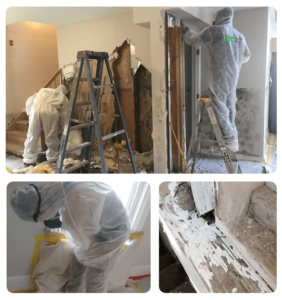
Sanding, scraping, or using heat guns on old paint can release massive concentrations of lead dust and toxic fumes. These particles are often small enough to be inhaled deep into the lungs.
Outdoor Infiltration:
Contaminated soil from near roadways or industrial sites can be tracked indoors or blown in as dust.
Hobbies and Work:
Activities such as soldering, stained-glass making, or bringing home dust on work clothes from industrial jobs (e.g., battery recycling, smelting) can introduce lead.
Steps to Protect Your Indoor Air from Lead
You cannot smell or see lead dust, so prevention and proactive cleaning are your best defenses.
- Test Your Home: If your home was built before 1978, hire a professional to test for lead-based paint and dust.
- Wet-Cleaning Methods: Instead of dry dusting or sweeping, which spreads particles, use damp cloths and mops to “wet-clean” surfaces like windowsills and floors weekly.
- Practice “Lead-Safe” Renovations: Never sand or scrape old paint yourself. Always use EPA Lead-Safe Certified contractors who follow specific containment procedures to prevent air contamination.
- Leave Shoes at the Door: Prevent contaminated outdoor soil from being tracked in and turning into indoor dust by adopting a “no shoes” policy.
Schedule Lead Inspection with NYC Lead & Mold Now
NYC Lead & Mold provides professional lead inspection services in NYC for residential and commercial properties. Our team understands local laws, building types, and common risk factors across the boroughs.
When you choose NYC Lead & Mold, our experts evaluate your property and explain results in simple language. We help property owners stay compliant with New York City regulations and address indoor air quality concerns linked to lead.
Whether you own a house in Brooklyn, an apartment in Queens, or a rental building in the Bronx, we are at your service to protect your property and the people from lead poisoning.