If you own or rent an older property in New York City, you have heard about lead paint and the dangers it brings to families. But when you start looking for help, you see two different services that sound similar but are not the same thing at all.
Lead testing and lead abatement in NYC are two separate processes that serve different purposes for property owners. Many people confuse these two services or think they are the same thing, which leads to problems down the road when they need professional help.
Understanding the difference between testing and abatement can save you time, money, and protect the health of everyone living in your home or building.
Why Lead Paint Is Still A Problem In NYC Buildings
The federal government banned lead paint for residential use in 1978, but buildings constructed before that year may still have lead paint on walls, windows, and doors.
According to NYC health department data, more than 65% of housing units in the city were built before 1960. These older buildings have a high chance of containing lead paint somewhere in the structure, even if the walls have been painted over many times since then.
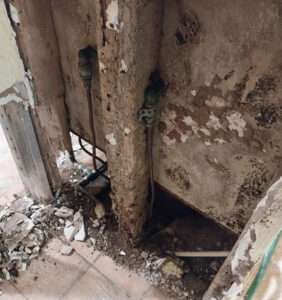
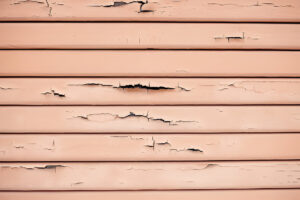
Lead paint becomes dangerous when it starts to chip, peel, or turn into dust that people can breathe in or swallow. Children under age 6 face the highest risk because their bodies absorb lead faster than adults, and they tend to put their hands and objects in their mouths more often.
What Is Lead Testing And When Do You Need It
Lead testing is the first step in finding out if your property has a lead problem or not. This process involves checking different surfaces in your home or building to detect the presence of lead paint or lead dust.
Professionals who provide lead testing in NYC use special equipment to analyze paint samples, dust samples, and sometimes soil samples from the property. The testing process can identify lead levels as low as parts per million, which helps determine if the levels are safe or dangerous.
You might need lead testing in these situations:
- You are buying or selling an older property built before 1978
- You are planning renovations that involve scraping, sanding, or removing old paint
- Your landlord is required to test before a child under 6 moves into the unit
- You notice chipping, peeling, or damaged paint in your home
- A child in your household has elevated blood lead levels
- You want to know the current condition of your property before problems occur
NYC Local Law 1 requires property owners to test for lead hazards in apartments where children under 6 live. This law makes lead testing in NYC not just a good idea but a legal requirement for many landlords and property managers.
The testing process does not fix any problems by itself, but it gives you the information you need to make decisions about what to do next.
Also read: Lead and Mold Risks in Commercial Buildings
What Is Lead Abatement, and How Is It Different
Lead abatement is the process of removing or containing lead hazards to make a property safe for the people living there. This happens after testing confirms that lead is present and poses a risk to occupants.
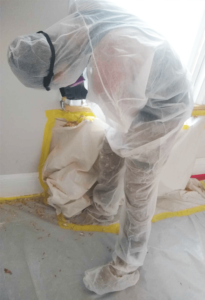
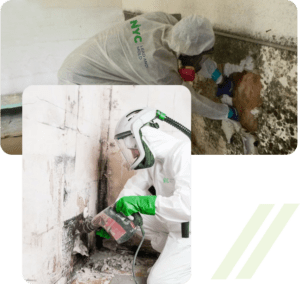
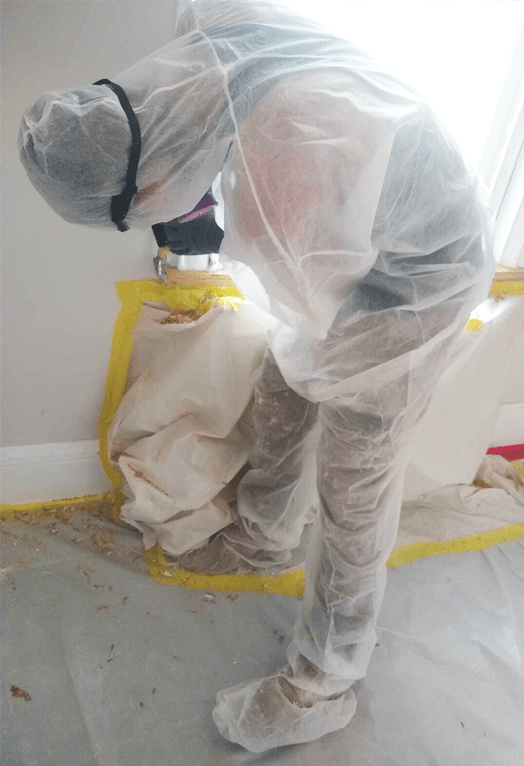
Lead abatement in NYC involves trained professionals who use specific methods to deal with lead paint and lead dust in buildings. The work must follow strict rules set by federal, state, and city regulations to protect workers and residents during the process.
There are several methods used in lead abatement work:
- Complete removal of lead paint from surfaces down to the bare material
- Encapsulation that seals lead paint under a special coating to prevent chips and dust
- Enclosure that covers lead-painted surfaces with new materials like drywall or paneling
- Replacement of windows, doors, or trim that contain lead paint
- Specialized cleaning to remove lead dust from floors, windowsills, and other surfaces
The EPA requires that all lead abatement work be performed by certified contractors who follow specific safety procedures. This protects everyone involved and prevents lead contamination from spreading during the removal process.
The Key Differences
Lead testing tells you IF there is a problem. The results show where lead exists in your property and how much is present in different areas. Testing is diagnostic work that provides information without making any changes to the property.
Lead abatement fixes the problem that testing identified. This work removes or contains the lead hazards so they no longer pose a risk to people living in the space. Abatement is hands-on work that changes the condition of your property.
You cannot skip testing and go straight to abatement because you need to know where the lead is before you can remove it. And testing alone does not protect anyone if you find lead but do nothing about it afterward.
The costs for these services differ as well. Lead testing in NYC is less expensive because it involves inspection and analysis without major construction work. Lead abatement in NYC costs more because it requires specialized labor, equipment, disposal of hazardous materials, and compliance with strict regulations.
Who Performs These Services In New York
Both lead testing and lead abatement require certified professionals with specific training and credentials to perform the work in New York.
Lead testing must be done by EPA-certified inspectors or risk assessors who have passed examinations and maintain their certifications through ongoing education. These professionals know how to collect samples and interpret results according to current standards.
Lead abatement contractors must hold certifications from the EPA and comply with NYC Department of Health requirements. Workers on abatement projects need their own certifications and must follow safety protocols throughout the job.
Using uncertified workers for lead work is illegal and dangerous because improper handling can spread lead contamination throughout your property. This makes the problem worse instead of better and puts everyone at risk.
Protecting Your Family And Property
At NYC Lead & Mold, we provide both lead testing in NYC and lead abatement in NYC services for property owners who want to protect their families and meet legal requirements. Our certified team handles everything from initial inspection to final clearance testing, so you know the job is done right. The damage from lead exposure cannot be reversed once it happens.
Contact NYC Lead & Mold today to schedule lead testing in NYC and find out if your property needs lead abatement to keep everyone safe.