You found black mold in your bathroom. Someone told you to spray it with bleach. The internet is full of bleach recommendations. But does bleach actually kill black mold? The answer might surprise you. Let’s talk about what really works for mold removal in NYC homes.
Does Bleach Actually Kill Black Mold?
Sort of, but mostly NO! Bleach kills mold on the surface, but it doesn’t kill the roots. And those roots are the real problem.
What Does Bleach Do to Mold?
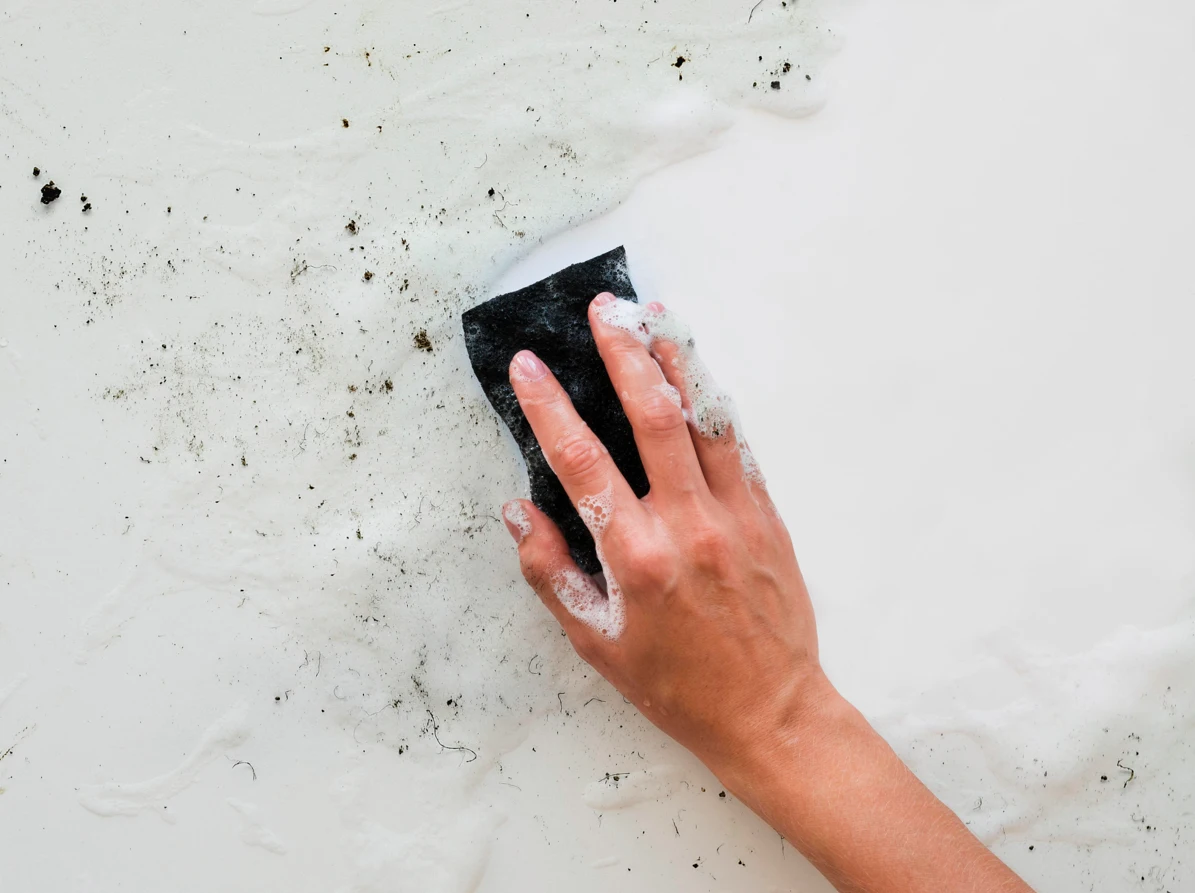
Bleach kills surface mold on non-porous materials like tile and glass. The mold you see turns white and looks gone. But on porous surfaces like drywall, wood, or grout, bleach only reaches the surface. The mold roots go deep into the material where bleach can’t reach.
Think of it like cutting weeds at ground level instead of pulling them out by the roots. They just grow back.
Why Do People Think Bleach Works?
Because it looks like it works at first. The black mold disappears. The area looks clean. But in 2 to 4 weeks, the mold comes right back because you never killed the roots.
About 80% of people who use bleach on mold see it return within a month.
Why Is Bleach Not Recommended for Black Mold?
The EPA actually says don’t use bleach for mold cleanup. Here’s why it fails on different surfaces:
- Non-porous surfaces like tile and glass show that bleach kills surface mold only. It doesn’t penetrate, so mold can regrow from spores. Better alternatives are vinegar or hydrogen peroxide.
- Porous surfaces like drywall and wood show that bleach is ineffective. It can’t reach mold roots deep in the material. You need professional mold removal in NYC for this.
- Grout shows that bleach is partially effective. Mold roots remain in the porous grout. Better to use vinegar plus scrubbing.
- Concrete shows limited effectiveness. Concrete is porous, so mold grows deep. Hydrogen peroxide or professional treatment works better.
- Fabric and carpet should never be bleached. It damages the material and doesn’t kill all the mold. Get professional cleaning.
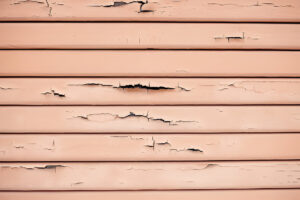
- Painted walls only get surface treatment from bleach. Mold behind the paint remains and keeps growing. You need to remove the paint and treat it properly.
The EPA does not recommend bleach for mold cleanup. The success rate is only 10% to 20% on porous surfaces and 60% to 70% on non-porous surfaces. Mold returns in 2 to 4 weeks when bleach is used. Plus, bleach creates toxic fumes, respiratory issues, and skin irritation.
Does Bleach Kill Mold on Porous Surfaces?
No. Bleach molecules are too big to penetrate porous materials. The chlorine sits on the surface while the water part soaks in and actually feeds the mold roots deeper down. You’re making the problem worse.
What Are the Dangers of Using Bleach on Mold?
Bleach creates toxic chlorine gas, especially if you mix it with other cleaners. This gas damages your lungs. Bleach also irritates the skin and eyes. And breathing bleach fumes while mold spores are in the air is really bad for your respiratory system.
Bleach damages many surfaces, too. It discolors fabric, weakens wood, and eats away at grout and caulk.
Also Read: How long does Mold Removal in NYC take?
What Should You Use Instead of Bleach for Black Mold?
Several options work way better than bleach.
Does Vinegar Kill Black Mold?
Yes, actually. White vinegar kills about 82% of mold species. It penetrates porous surfaces better than bleach. Spray undiluted vinegar on the mold, let it sit for an hour, then scrub and rinse.
Vinegar is safe, cheap, and actually works. The smell goes away in a few hours.
Does Hydrogen Peroxide Kill Black Mold?
Yes, very well. Three percent hydrogen peroxide kills mold and is safer than bleach. Spray it on, wait 10 minutes, scrub, and wipe clean.
Hydrogen peroxide penetrates surfaces, doesn’t leave toxic residue, and actually prevents mold from coming back better than bleach.
What About Commercial Mold Removers?
Some work great. Look for products with ingredients like quaternary ammonium or tea tree oil. These penetrate surfaces and kill mold roots, not just surface growth.
When Should You Call a Professional for Black Mold?
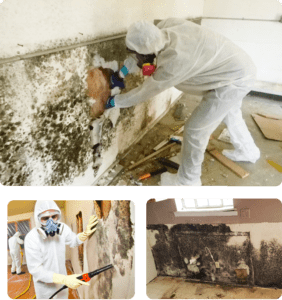
Call professionals for mold remediation if mold covers more than 10 square feet, if it’s on drywall or inside walls, if it keeps coming back after you clean it, if you smell mold but can’t see it, or if anyone in your home has asthma or respiratory issues.
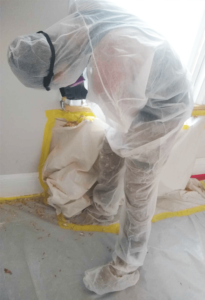
Large mold infestations need proper containment, air filtration, and complete removal. DIY methods just spread spores to other areas.
How Do You Prevent Black Mold From Coming Back?
Fix moisture problems first. Mold grows where it’s damp. Fix leaks, improve ventilation, use exhaust fans in bathrooms, keep humidity below 50%, and dry wet areas within 24 to 48 hours.
Cleaning mold without fixing moisture is pointless. It comes right back.
Stop Fighting Mold That Keeps Coming Back
You’ve bleached that bathroom corner three times this year. The black mold keeps returning. Now it’s spreading to other areas. You’re worried about your family breathing mold spores. The bleach smell makes you dizzy, but you don’t know what else to try. And you’re scared the mold is growing inside your walls where you can’t see it.
NYC Lead & Mold specializes in proper mold removal in NYC apartments and homes. We don’t just spray bleach and call it done. We find the moisture source causing your mold, remove all affected materials properly, treat the area with products that actually work, and fix the conditions that let mold grow in the first place.