You moved into an older apartment. The walls have a few layers of paint. Everything looks fine on the surface. But somewhere in the back of your mind, you wonder if there’s lead hiding underneath.
That worry is valid. And honestly, it’s smart to take it seriously.
Lead paint was banned in 1978, but millions of homes built before that still have it on their walls, windows, and doors. The CDC estimates that about 24 million homes in the U.S. still contain lead-based paint hazards. In a city like New York, where so many buildings are decades old, that number hits close to home.
If you’re thinking about lead testing in NYC, this post will walk you through the process and help you understand your options.
Why Testing for Lead Matters
Lead is dangerous. There’s no safe level of exposure, especially for kids. Even small amounts can cause learning disabilities, developmental delays, and behavioral problems. In adults, lead exposure can lead to high blood pressure, kidney damage, and reproductive issues.
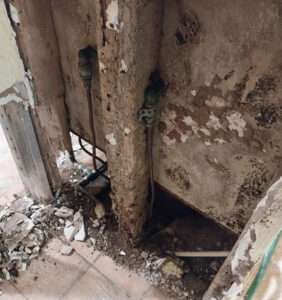
The tricky part is that you can’t see lead. You can’t smell it either. Paint that looks perfectly fine might be loaded with it underneath. And when that paint starts to chip, peel, or get disturbed during renovations, lead dust gets into the air and settles on surfaces. Your kids touch those surfaces, put their hands in their mouths, and that’s how exposure happens.
Children under six are at the highest risk because their bodies absorb lead more easily than adults. If you have young kids or are planning to start a family, testing your home should be a priority.
DIY Test Kits vs. Professional Testing
You’ve probably seen those home test kits at the hardware store. They’re cheap and seem easy to use. But are they reliable?
The honest answer is: not always.
DIY lead test kits can give you a general idea, but they have limitations. Some only detect lead on the surface and miss layers underneath. Others can give false negatives, which means they say there’s no lead when there actually is. The EPA recognizes only a few test kits as reliable, and even those come with conditions.
If you want accurate results, professional lead paint testing in NYC is the way to go. Certified inspectors use specialized equipment like XRF analyzers that can detect lead through multiple layers of paint without damaging your walls. They also take dust and soil samples to check for contamination in areas where kids play or crawl.
Also read: How Fast Can You Get a Lead Inspection in NYC Done?
Where to Test in Your Home
Lead paint tends to show up in certain spots more than others. When scheduling lead testing in NYC, make sure these areas get checked:
- Window frames and sills, where friction causes paint to break down
- Doors and door frames, especially around edges
- Stair railings and banisters
- Baseboards and trim throughout the home
- Porches and exterior surfaces
- Any area where paint is chipping, peeling, or flaking
Windowsills are especially important because dust collects there, and kids often lean on them or touch them while looking outside.
What Happens During a Professional Inspection
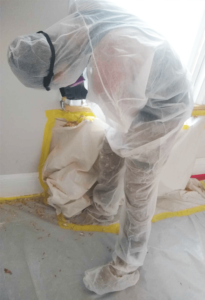
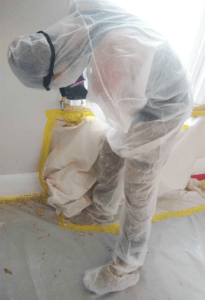
A professional inspection usually takes a few hours, depending on the size of your home. The inspector will go room by room, testing painted surfaces and collecting samples where needed. They’ll also check for lead dust on floors and windowsills.
After the inspection, you’ll receive a detailed report showing exactly where lead was found and how severe the levels are. This report is useful if you’re planning renovations, dealing with a landlord, or just want to know what you’re working with.
For anyone considering lead paint testing in NYC, having that documentation is incredibly valuable. It protects you legally and helps you make informed decisions about next steps.
What to Do If Lead Is Found
Finding lead in your home doesn’t mean you have to move out immediately. It means you need to take action before it becomes a health risk.
Options include:
- Encapsulation, which covers the lead paint with a special coating
- Enclosure, which involves covering affected areas with new materials
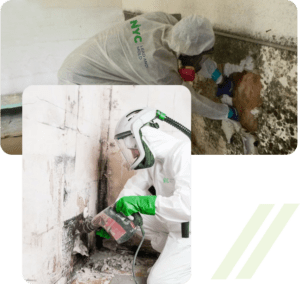
- Full abatement, which removes the lead paint entirely
The right approach depends on the condition of the paint and how much of your home is affected. A professional can walk you through your options and help you choose what makes the most sense for your situation.
Contact NYC Lead & Mold For Expert Lead Testing in NYC
At NYC Lead & Mold, we specialize in lead testing in NYC for homeowners, renters, and property managers. Our inspectors are certified and experienced. We use the latest equipment to give you accurate results you can trust.
We know how stressful it is to worry about your family’s safety. That feeling of not knowing whether your home is safe can keep you up at night. But ignoring the problem doesn’t make it go away. It just gives the lead more time to do damage.
Your home should be a place where your family feels safe. Your kids should be able to play on the floor without you worrying about what’s in the dust. You deserve to know exactly what’s in your walls.
Don’t wait until someone gets sick. Don’t wait until a renovation stirs up something dangerous. Take control now and get the answers you need.
Call NYC Lead & Mold today to schedule your lead paint testing in NYC. Let’s make sure your home is as safe as it should be.