You walk into your office building every day. The walls are painted. The ceilings are intact. But what if something dangerous was hiding right behind those surfaces? Something you can’t see or smell?
Lead and mold are two of the biggest hidden threats in commercial buildings. And they’re way more common than most people think. Especially in older cities where buildings have been standing for decades.
The Silent Threat of Lead Paint
Lead paint was banned in 1978. Any building constructed before 1978 likely has lead paint somewhere. It could be on walls, window frames, doors, or trim. And when that paint starts to chip, peel, or get disturbed during renovations, it becomes a real problem.
Lead dust is incredibly dangerous. You can’t see it floating in the air. But when people breathe it in or accidentally ingest it, the effects can be serious.
Health problems linked to lead exposure include:
- Headaches and fatigue
- Memory and concentration issues
- High blood pressure
- Kidney damage
- Reproductive problems
- Developmental delays in children
The CDC states there is no safe level of lead exposure. Even small amounts can cause harm over time. For businesses, this creates both health and legal risks.
Lead inspection in NYC is something every commercial property owner should consider. If your building was built before the late 1970s, testing is the only way to know for sure what you’re dealing with.
Mold: The Problem That Grows Fast
Mold is different from lead. It’s not something that was put there intentionally. It grows on its own whenever the conditions are right. And those conditions? They’re pretty easy to create.
All mold needs to thrive is:
- Moisture from leaks, humidity, or condensation
- Organic material like drywall, ceiling tiles, or carpet
- Poor ventilation that traps damp air
- Time to spread and colonize
Mold can start growing within 24 to 48 hours after water exposure. A small roof leak or a burst pipe can turn into a major mold problem before you even notice something’s wrong.
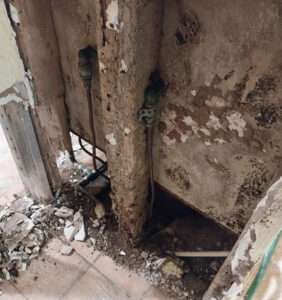
In commercial buildings, mold often hides in places people don’t check regularly. Behind walls. Inside HVAC systems. Underflooring. Above ceiling panels. By the time you see it or smell that musty odor, it’s usually already spread pretty far.
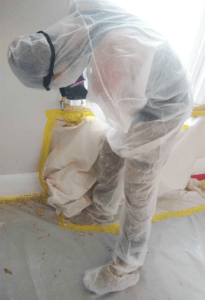
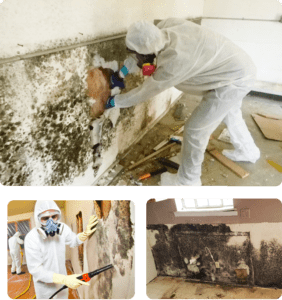
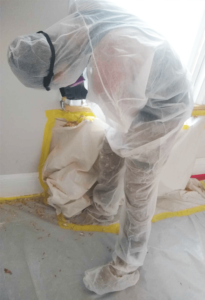
For NYC properties, commercial mold removal isn’t just about scrubbing surfaces. It requires finding the source of moisture, containing the affected area, and removing contaminated materials safely. DIY approaches almost always make things worse.
Why Commercial Buildings Face Higher Risks
Commercial properties have some specific challenges that make lead and mold problems more likely.
First, there’s the age factor. A huge number of buildings in New York were built before modern regulations. That means lead paint and outdated plumbing are common. Old pipes can leak slowly without anyone noticing. Water damage happens gradually behind walls.
Second, commercial buildings have complex systems. Large HVAC units can spread mold spores throughout an entire floor. Multiple tenants mean more chances for problems to go unnoticed. Shared walls and ceilings make contamination spread faster.
Third, there’s the liability issue. Business owners can be held responsible for health problems caused by hazardous conditions in their buildings. Employees, customers, and tenants can all take legal action if they get sick due to lead or mold exposure. Lawsuits in these cases can cost hundreds of thousands of dollars.
Lead inspection in NYC and professional mold testing are the first steps to protecting yourself and everyone who enters your building.
Also Read: How to Remove Lead Paint Safely Without Spreading Dust
Warning Signs You Shouldn’t Ignore
Pay attention if you notice:
- Peeling, cracking, or chipping paint on older surfaces
- Water stains on ceilings or walls
- Musty or earthy smells in certain areas
- Employees complaining of recurring headaches or respiratory issues
- Visible discoloration or fuzzy growth in corners or damp spots
- Increased allergy symptoms among building occupants
If multiple people in your building are experiencing similar symptoms, that’s a red flag. Don’t brush it off. Get professional testing done as soon as possible.
Commercial mold removal in NYC should always be handled by certified professionals. The same goes for lead abatement. These aren’t jobs for maintenance staff or general contractors. They require specialized training, equipment, and disposal methods.
Call NYC Lead & Mold Before Its Too Late
Waiting around never makes these problems better. Mold keeps spreading. Lead dust keeps accumulating. And the longer you wait, the more expensive and complicated remediation becomes.
At NYC Lead & Mold, we help commercial property owners identify and solve these problems every day. We handle lead inspection in NYC with thorough testing methods that leave nothing to chance. We provide commercial mold removal in NYC that addresses the root cause, not just the visible symptoms.
Reach out to NYC Lead & Mold today. Get your property tested. Know exactly what you’re dealing with. And fix it before it fixes your bottom line.