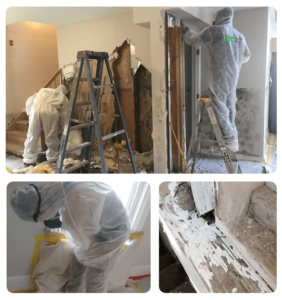
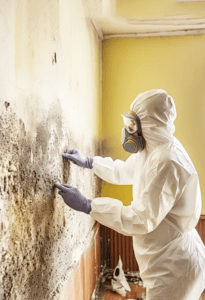
Mold can develop quietly inside walls, ceilings, basements, and HVAC systems before you notice visible growth. Many homeowners only discover a mold problem after experiencing persistent odors, water damage, or unexplained indoor air quality issues. Since mold can spread quickly in damp environments, identifying the warning signs early can help prevent costly repairs and protect your home’s condition.
If you notice unusual moisture problems, recurring musty smells, or signs of water damage, scheduling a professional mold inspection in NYC can help determine whether mold is present and identify the source of the problem.
What Is a Professional Mold Inspection?
A professional mold inspection is a detailed evaluation of your home to identify mold growth, moisture sources, and conditions that encourage mold development.
Unlike a basic visual check, professional inspectors examine areas where mold commonly hides, including:
- Behind walls and drywall
- Under sinks and plumbing fixtures
- Basements and crawl spaces
- Attics and ceilings
- Around windows and HVAC systems
- Areas affected by leaks or flooding
A qualified inspector uses specialized tools such as moisture meters, thermal imaging equipment, and air sampling methods to locate hidden mold problems and assess indoor conditions.
10 Signs Your Home Needs a Professional Mold Inspection
You Notice a Persistent Musty Odor
A musty smell is one of the earliest indicators of a possible mold problem. Mold releases microbial volatile organic compounds (MVOCs), which often create an earthy or damp odor.
Even if you cannot see mold, a persistent musty smell may indicate hidden growth behind walls, under flooring, or in areas with poor ventilation.
Many NYC homes, especially older apartments and buildings, have limited airflow and aging infrastructure that can create ideal conditions for mold growth.
If cleaning and ventilation do not remove the odor, a professional inspection can help locate the source.
You See Visible Mold Growth
Visible mold is an obvious sign that your home requires attention. Mold may appear as:
- Black spots on walls or ceilings
- Green or gray patches
- White powdery growth
- Discoloration around windows or bathrooms
However, visible mold often represents only part of the problem. Mold colonies can spread behind surfaces where they remain hidden.
A professional mold inspection helps determine the extent of contamination and whether additional areas require testing.
Also read: How Mold Removal Improves Indoor Air Quality
Your Home Has Experienced Water Damage
Water damage creates one of the strongest conditions for mold growth. Mold can begin developing within 24 to 48 hours after moisture exposure.
You should consider a mold inspection if your home has experienced:
- Flooding
- Burst pipes
- Roof leaks
- Plumbing problems
- Water stains
- Basement moisture
Even after water is removed, moisture trapped inside walls, insulation, or flooring can continue supporting mold growth.
A professional inspection can identify hidden moisture problems before they become major structural issues.
You Notice Increased Allergy or Respiratory Symptoms Indoors
Indoor mold exposure may affect air quality and contribute to discomfort for sensitive individuals.
Possible signs include:
- Sneezing
- Coughing
- Nasal irritation
- Watery eyes
- Throat irritation
- Increased sensitivity indoors
If symptoms improve when you leave home and return when you come back, indoor environmental issues may be worth investigating.
A professional mold inspection can help determine whether mold contamination may be affecting your home’s air quality.
Paint Is Peeling or Walls Look Damaged
Peeling paint, bubbling walls, and warped surfaces are often signs of moisture problems.
Common areas where these issues appear include:
- Bathrooms
- Kitchens
- Around windows
- Basement walls
- Areas near plumbing
Moisture behind walls can create hidden mold growth while damaging building materials at the same time.
Instead of simply repainting damaged areas, homeowners should identify the underlying moisture source first.
Your Home Has High Indoor Humidity
Mold thrives in environments with excess moisture. Homes with consistently high humidity levels provide ideal conditions for mold development.
Common causes of indoor humidity include:
- Poor ventilation
- Bathroom moisture
- Basement dampness
- HVAC issues
- Plumbing leaks
If your home feels constantly damp or you notice condensation on windows, a mold inspection can help determine whether moisture levels are contributing to mold growth.
You Recently Bought an Older NYC Property
Many NYC buildings have unique characteristics that can increase mold risks, including:
- Older plumbing systems
- Aging foundations
- Limited ventilation
- Previous water damage
- Basement moisture issues
A property may look clean during a walkthrough while still having hidden mold problems.
Before purchasing an older apartment, townhouse, or property, a professional mold inspection can reveal potential issues that may affect your investment.
You Find Mold Around HVAC Systems
Heating and cooling systems can spread mold spores throughout your home when contamination exists inside air handlers, ducts, or nearby areas.
Warning signs include:
- Mold near vents
- Strange odors when HVAC operates
- Dust buildup around registers
- Increased indoor irritation
Because HVAC systems circulate air throughout your home, identifying mold sources early is important for maintaining better indoor conditions.
Mold Keeps Returning After Cleaning
If you repeatedly remove mold only for it to return, the problem is likely deeper than surface growth.
Recurring mold usually indicates:
- A hidden moisture source
- Poor ventilation
- Water intrusion
- Incomplete removal
Cleaning visible mold without addressing the cause often provides only a temporary solution.
A professional inspection identifies why mold keeps returning and helps homeowners take appropriate action.
You Recently Had Renovation or Construction Work
Renovations can uncover hidden moisture problems or disturb existing mold growth.
Projects involving:
- Wall removal
- Plumbing changes
- Basement finishing
- Bathroom remodeling
may expose areas that were previously inaccessible.
A mold inspection after major construction work can help confirm that your indoor environment remains safe.
Why Mold Problems Are Common in NYC Homes
New York City properties face several conditions that can increase mold risks.
Older Building Structures
Many NYC buildings were constructed decades ago and may have aging materials, plumbing systems, and ventilation challenges. Small leaks that go unnoticed can create long-term moisture problems.
Limited Air Circulation
Apartments with restricted airflow may trap humidity, especially in bathrooms, kitchens, and smaller rooms.
Seasonal Weather Changes
NYC experiences humid summers, heavy rainfall, and temperature changes that can contribute to condensation and moisture buildup.
Dense Living Conditions
Shared walls, neighboring units, and multi-family buildings can make it difficult to identify where moisture problems originate.
Because of these factors, regular awareness and early inspections are important for NYC homeowners, landlords, and property managers.
Why DIY Mold Checks Are Not Always Enough
Many homeowners attempt to identify mold themselves, but visible signs do not always reveal the full problem.
DIY inspections often miss:
- Hidden mold behind walls
- Moisture inside building materials
- Mold growth in ventilation systems
- The actual source of water problems
Professional inspectors have the training and equipment needed to evaluate areas that are difficult to access.
A proper inspection focuses not only on finding mold but also on understanding why it developed.
What Happens During a Professional Mold Inspection?
A professional mold inspection usually includes several steps:
Visual Assessment
The inspector examines areas with possible mold growth, water damage, staining, and moisture concerns.
Moisture Detection
Specialized equipment helps identify areas with excessive moisture that may support mold growth.
Air Quality Evaluation
Depending on the situation, inspectors may collect samples to evaluate airborne mold particles.
Inspection Report
After completing the evaluation, homeowners receive information about findings, affected areas, and recommended next steps.
This detailed approach helps homeowners make informed decisions about mold removal and prevention.
How Often Should You Schedule a Mold Inspection?
There is no universal schedule for every home, but inspections are especially recommended when:
- Your home has experienced water damage
- You notice mold-related warning signs
- You are buying or selling a property
- Your building has recurring moisture problems
- Mold returns after cleaning
For many homeowners, addressing problems early is easier and less expensive than waiting until mold spreads.
Get Reliable Mold Inspection in NYC With NYC Lead & Mold
Mold problems require more than surface cleaning. You need a thorough evaluation that identifies hidden growth, moisture sources, and potential risks inside your property.
NYC Lead & Mold provides professional mold inspection in NYC to help homeowners, landlords, and property managers understand their indoor environment. Our team focuses on accurate inspections, detailed assessments, and identifying the source of mold concerns so you can take the right action.
Whether you suspect hidden mold, have recently experienced water damage, or want peace of mind before buying a property, NYC Lead & Mold can help you understand your home’s condition.
Contact us today to schedule a professional mold inspection and protect your NYC property from hidden mold problems.
Frequently Asked Questions
How do I know if my house needs a mold inspection?
You may need a mold inspection if you notice musty odors, visible mold, water damage, recurring moisture problems, or unexplained indoor air quality concerns.
Can mold exist without visible signs?
Yes. Mold can grow behind walls, under flooring, inside ceilings, and around HVAC systems without visible evidence.
How long does a professional mold inspection take?
Most inspections depend on the property’s size and condition. A detailed inspection typically involves examining multiple areas, checking moisture levels, and documenting findings.
Is professional mold inspection worth it?
Yes. A professional inspection can identify hidden mold problems, locate moisture sources, and help prevent expensive future damage.
How much does mold inspection cost in NYC?
The cost depends on factors such as property size, inspection complexity, and whether testing is required. A professional company can provide an accurate estimate based on your home’s needs.