Have you noticed a musty smell in your home or commercial space? Or maybe you see black and green spots anywhere in your home? Mold is more common than you might think, especially in New York City houses. Many people ignore it, thinking it will go away on its own. But it can spread quickly and cause serious health problems unless it’s treated head-on.
The good news is that you can remove mold safely with the professional steps. Even large infestations can be handled properly with the correct methods. Taking proactive action is important to restore your property to pre-mold condition.
In this blog, we will walk you through a complete step-by-step mold remediation process. You will learn how to detect, contain, remove, and prevent mold in your home. By the end, you’ll understand exactly what it takes to make your space clean and safe again.
What Is Mold?
Mold is a type of fungus that grows in damp and humid areas. It reproduces by releasing spores, which can float through the air. These spores land on surfaces and start new growth. Mold can appear in many colors, including black, green, white, or even orange.
Mold is not just ugly, it can harm your health. It can trigger allergies, respiratory problems, and other illnesses. People with weak immune systems and older adults are most at risk. That’s why identifying and removing it quickly is important.
Why Is Mold Dangerous For Your Health?
Mold releases spores and mycotoxins into the air. When you breathe these in, they can irritate your lungs, skin, and eyes. Mold growth can also damage your property by eating away at wood, drywall, carpets, and insulation, leaving behind structural damage that can be expensive to repair. Mold can lower the value of your property. Potential buyers or renters may notice signs of mold making them hesitant to invest. Early removal protects your health and also keeps your home in good condition. It maintains its market value as well.
Ignoring mold does not make it go away. In humid cities like NYC, it can spread quickly behind walls, under floors, and in air ducts. Early action is key to keeping your home safe and healthy.
Preparing for Mold Remediation
Before starting mold remediation, you need to prepare the area. Preparation protects your home and your health.
- Clear the area of furniture.
- Wear protective gear such as gloves, goggles, and a mask.
- Cover floors and nearby surfaces with plastic sheets to catch debris.
- Turn off HVAC systems to prevent spores from spreading.
- Keep children and pets out of the work area.
Setting Up a Containment Area
Containment is one of the most important steps in mold removal. It prevents mold spores from spreading to other parts of your property. To set a containment system, close all doors and windows in the affected room. Seal off vents with plastic sheeting. Use fans to direct airflow away from other areas, and keep the area slightly humid if you use wet cleaning methods.
Setting up a proper containment area protects your space and makes the cleanup process much easier. It keeps the mold confined so your team can work efficiently. Proper containment is a key step to making sure mold does not return and your home stays healthy.
Step 1: Identifying Mold-Infested Areas
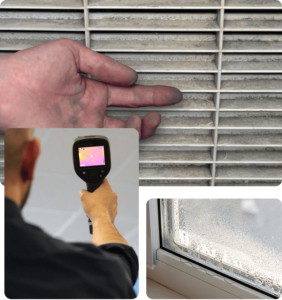
The first step in mold removal is finding exactly where mold is growing. Mold often hides behind walls or in other hidden spots. Look for signs like discoloration on floors, musty smells, damp carpets.
Sometimes, you may need a moisture meter or a professional inspection to locate hidden mold. Identifying all mold-affected areas accurately ensures you can remove it completely and prevent it from coming back.
Step 2: Fixing the Moisture Problem
Mold cannot grow without moisture. Before cleaning, stop the water source.
- Repair leaks in pipes and windows
- Use dehumidifiers to lower humidity
- Ensure proper ventilation in bathrooms and kitchens
- Check basements for water seepage
Fixing moisture problems prevents mold from coming back after cleanup.
Step 3: Removing Mold Safely
Mold removal in NYC requires careful techniques. The goal is to remove mold while minimizing airborne spores.
Wet Scrubbing
Lightly spray the affected area with water to keep mold spores from spreading. Use a scrub brush with mild detergent to clean surfaces.
HEPA Vacuuming
After scrubbing, vacuum the area with a HEPA-filter vacuum. This captures tiny spores that may remain on surfaces.
Disposing of Contaminated Materials
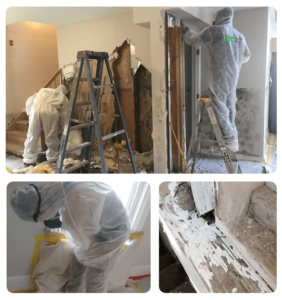
Porous materials like drywall or carpets with heavy mold should be removed and safely disposed of in sealed plastic bags.
Step 4: Using Mold-Killing Solutions
Apply mold-killing solutions to cleaned surfaces to stop mold from coming back. These solutions remove remaining spores and keep your property safe.
- Use commercial-grade mold removers for better results.
- Always follow safety instructions on all products, including wearing gloves and keeping the area ventilated.
- Apply the solution with a spray bottle, making sure surfaces stay damp during application.
- Pay special attention to corners and hidden spots where mold may hide.
Proper application ensures the spores are treated and they won’t spread to other areas. Taking a little extra time in this step can save you from future infestations.
Step 5: Drying and Ventilating
Dry the area completely after cleaning to stop mold from returning. Mold grows wherever moisture lingers, so removing all dampness is essential.
- Run dehumidifiers to lower humidity quickly.
- Open windows to let fresh air circulate.
- Inspect hidden areas for damp spots.
- Move furniture and items so air reaches every corner.
By drying everything thoroughly, you prevent mold from coming back. Proper ventilation keeps your home smelling fresh and protects your family’s health.
Step 6: Monitoring and Preventing Future Mold
Even after cleanup, mold can return if conditions are right. Take steps to prevent future growth:
- Keep humidity below 50% in your space
- Fix leaks immediately
- Regularly inspect bathrooms and basements
- Use mold-resistant paints in renovations
- Clean HVAC systems regularly
Monitoring helps you catch problems early before mold spreads again.
Also read: How to Choose a Trustworthy Mold Remediation Contractor?
When to Call a Professional Mold Remediation Company?
While small patches of mold in non-critical areas may be manageable with DIY cleaning, there are situations where professional intervention is critical.
You should call a professional mold remediation company if you encounter any of the following scenarios:
- Large Areas of Mold Growth
If mold covers more than 10 square feet, it’s considered a significant infestation. Attempting to clean extensive mold yourself can be dangerous because it increases the risk of spreading spores to other parts of your home or commercial space. - Mold Inside Walls or Hard-to-Reach Spaces
Mold hidden behind walls, under flooring, inside HVAC systems, or in ceiling cavities is not visible. Removing mold in these areas often requires commercial-grade equipment and methods such as wall demolition, air scrubbing, and moisture detection. - Health Concerns in the Household or Workplace
Mold exposure can trigger allergies, asthma, and other respiratory issues. If anyone in your home or workplace experiences symptoms like persistent coughing, sneezing, sinus infections, or skin irritation that could be mold-related, calling a professional is strongly advised. - Persistent or Recurring Mold Problems
Mold that keeps returning after cleaning is usually a sign of an underlying moisture problem. Professionals don’t just remove the visible mold, they also identify and address the root cause, such as leaks, poor ventilation, or humidity issues. - Proper Safety Measures Required
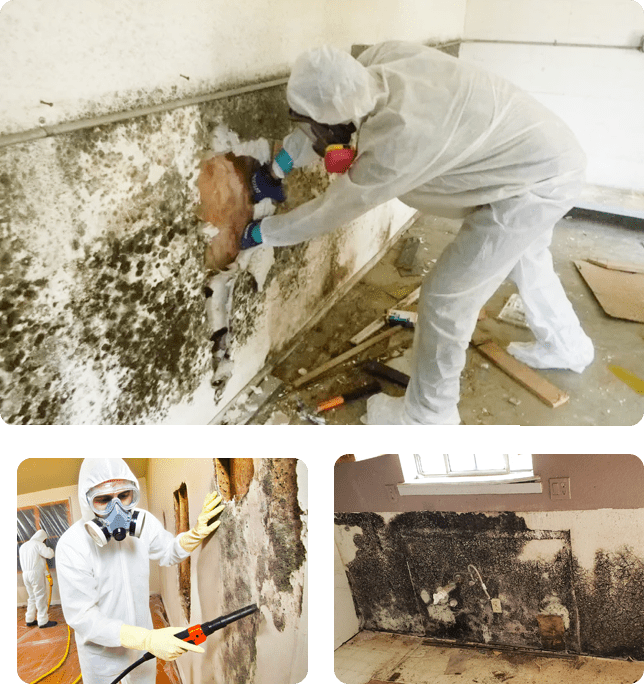
Mold remediation can expose you to spores that are harmful when inhaled. Professionals use personal protective equipment (PPE), negative air machines, HEPA vacuums, and containment barriers to safely remove mold.
Trust NYC Lead & Mold for Mold Remediation in NYC
Is mold growing in your property? Let NYC Lead & Mold remove it safely. We set up containment areas, clean every surface, and treat affected areas with anti-mold solutions to stop mold from coming back.
We guide you through the whole process and answer all your questions. We work fast, use the right safety gear, and make sure your property is protected.
Call NYC Lead & Mold today, let us eliminate mold issues in your space.